

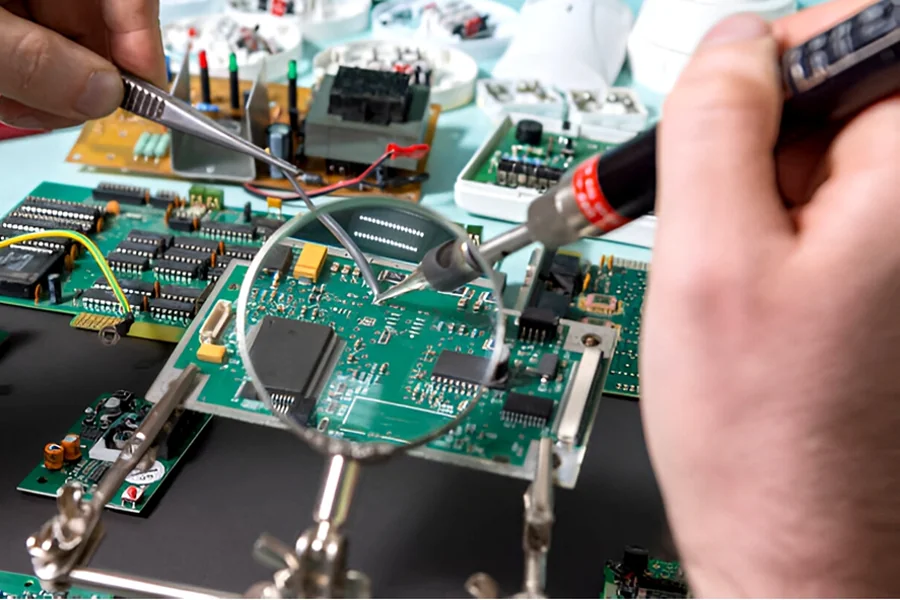
Prototype PCB assembly is the process of building small batches of printed circuit boards (PCBs) to test and validate a design before moving into mass production. This stage allows engineers to verify circuit functionality, identify design flaws, and make necessary adjustments early in the development process. By assembling prototype PCBs, manufacturers can save significant time and cost while ensuring the final product performs as expected.
Whether you are developing a new consumer gadget, medical device, or industrial control system, prototype PCB assembly serves as a crucial bridge between concept and production. It helps evaluate component placement, soldering quality, and overall system reliability in real-world conditions.
Why Prototype PCB Assembly Matters
In today’s fast-paced electronics industry, speed and precision are everything. A well-executed prototype PCB assembly helps detect design issues that could otherwise lead to expensive rework during production. It also enables engineers to test electrical performance, component compatibility, and heat dissipation before full-scale manufacturing begins.
This process reduces the risk of failure in final products and accelerates the development timeline. Rapid prototyping techniques allow manufacturers to iterate designs quickly, improving the final PCB’s performance and manufacturability.
Key Stages in Prototype PCB Assembly
A successful prototype PCB assembly involves several precise steps that transform a circuit design into a functional board ready for testing.
-
Design File Preparation
The process begins with preparing design files, including Gerber data, bill of materials (BOM), and pick-and-place files. These files guide the assembly line on component placement and layer configuration.
-
Component Procurement
Once the design is finalized, sourcing components becomes the next critical step. Using genuine and high-quality parts ensures the prototype reflects accurate performance levels and reliability standards.
-
PCB Fabrication
The bare PCB is manufactured based on design specifications — including the number of layers, thickness, material, and copper weight. Precision in fabrication ensures a reliable base for the prototype assembly.
-
Solder Paste Application and Placement
For surface mount technology (SMT) boards, solder paste is applied to pads using a stencil. Automated pick-and-place machines then position components accurately based on the design files.
-
Reflow Soldering or Hand Assembly
The assembled PCB goes through a reflow oven, where the solder paste melts and creates permanent joints. In cases where through-hole components or mixed technologies are used, manual soldering may also be performed.
-
Inspection and Testing
Once the assembly is complete, the prototype undergoes thorough inspection using automated optical inspection (AOI), X-ray testing, and functional tests to ensure all connections are solid and components operate as expected.
Benefits of Prototype PCB Assembly
The advantages of performing prototype PCB assembly extend beyond early testing. It provides valuable insights that lead to more reliable and cost-effective production runs.
- Faster Product Development: Prototype testing helps identify and fix issues early, speeding up time-to-market.
- Reduced Production Costs: Early detection of design flaws avoids expensive rework and scrap during mass production.
- Improved Design Accuracy: Engineers can refine layouts, component placement, and signal integrity before full production.
- Quality Validation: Ensures that the PCB meets all electrical, thermal, and mechanical specifications.
- Customer Confidence: Clients gain assurance that the product performs reliably before large-scale investment.
Common Applications of Prototype PCB Assembly
Prototype PCB assembly is used across industries where innovation and precision are essential.
- Consumer Electronics: Smart devices, wearables, and home automation systems.
- Automotive Industry: Engine control units, infotainment systems, and sensors.
- Medical Devices: Diagnostic tools and monitoring systems.
- Aerospace and Defense: Communication and navigation electronics.
- Industrial Automation: Control panels, power modules, and robotic systems.
Prototype PCB Assembly Techniques
Depending on design complexity and component type, various assembly techniques are applied during the prototyping phase:
Surface Mount Technology (SMT)
Used for compact designs requiring precise component placement and high-speed production.
Through-Hole Assembly (THA)
Preferred for boards needing mechanical strength or components that handle higher power.
Mixed Technology Assembly
Combines SMT and through-hole components for advanced functionality in complex circuit designs.
Hand Soldering
Used for small prototype quantities or when automated machinery is unnecessary.
How to Choose the Right Prototype PCB Assembly Partner
Selecting the right manufacturing partner ensures that your prototype meets all functional and quality expectations. Look for a partner with:
- Experience in handling different PCB technologies and materials.
- Advanced inspection and testing equipment.
- Fast turnaround time and on-time delivery.
- Transparent communication and engineering support.
A trusted prototype partner can guide you through design improvements, material selection, and process optimization, ensuring that the prototype accurately represents the final production version.
The Future of Prototype PCB Assembly
The demand for prototype PCB assembly continues to grow with the rise of IoT, electric vehicles, and high-frequency communication devices. Modern PCB manufacturers now offer digital fabrication, AI-assisted testing, and rapid prototyping tools to shorten development cycles and increase design accuracy. These innovations enable engineers to test, modify, and scale faster than ever before.
Final Thoughts: Partner with the Experts in PCB Assembly China
If you’re looking for precise, efficient, and reliable prototype PCB assembly, partnering with a professional manufacturer ensures your ideas move seamlessly from concept to production. Choosing an experienced provider offering PCB assembly China gives you access to advanced technology, fast lead times, and cost-effective manufacturing solutions. With expert engineering support and strict quality control, you can confidently bring your prototype to life and prepare for successful mass production.
