

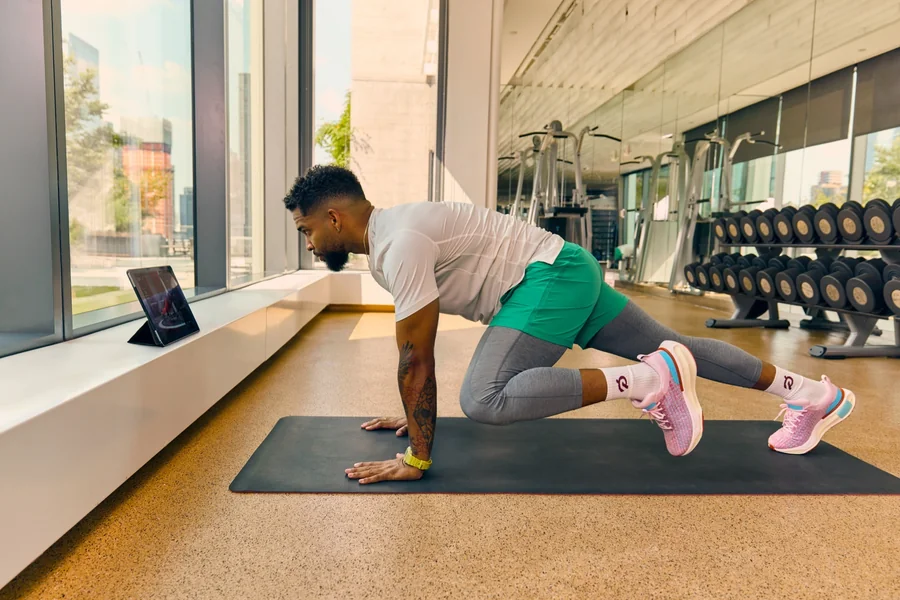
According to a 2024 report by the Global Wellness Institute, the global wellness economy is now valued at over $6 trillion, growing at nearly twice the rate of the overall global economy. Moreover, a survey from the International Health, Racquet & Sportsclub Association (IHRSA) found that 70% of people aged 18-40 actively participate in some form of wellness or recreational activity weekly, highlighting the broad and growing appeal of wellness lifestyles worldwide. These numbers illustrate how wellness and recreation have become central to everyday life, driven by social influences that shape what, why, and how people engage in these activities.
The Rise of Community and Connection
One of the most significant social influences shaping wellness today is the human need for connection. After periods of social isolation—highlighted by the COVID-19 pandemic—people crave community and shared experiences more than ever. This has propelled the growth of group fitness classes, wellness retreats, and outdoor recreational activities where people can gather safely and support each other’s health journeys.
Social media also plays a major role in fostering community within wellness. Platforms like Instagram, TikTok, and wellness-focused apps enable people to share their fitness routines, meditation practices, and healthy recipes. This online sharing creates virtual communities that motivate and inspire individuals, turning wellness from a solitary activity into a collective movement.
Influence of Mental Health Awareness
Mental health awareness has surged in prominence, reducing stigma and encouraging people to seek holistic approaches to well-being. The recognition that wellness is not solely physical but also mental and emotional has changed recreation patterns. Practices like mindfulness meditation, yoga, and breathwork have become mainstream, supported by social campaigns emphasizing self-care and emotional resilience.
This trend is reinforced by influencers and mental health advocates who use their platforms to discuss anxiety, stress management, and the importance of downtime. Their openness encourages others to prioritize mental health through wellness activities, leading to increased demand for wellness apps, mental health retreats, and recreational activities that promote relaxation and stress relief. Additionally, the wellness space has seen emerging interest in safer lifestyle alternatives such as Salt Nic products, which some users consider part of their wellness journey as they transition away from traditional tobacco products.
Sustainability and Eco-Consciousness
Another powerful social influence behind wellness trends is the growing environmental consciousness among consumers. As climate change and sustainability become urgent global concerns, many people seek ways to align their wellness routines with eco-friendly values. This has led to the rise of “green wellness” trends such as plant-based diets, eco-friendly fitness gear, and nature-based recreation like hiking and forest bathing.
Social movements advocating for environmental responsibility have encouraged brands and wellness providers to adopt sustainable practices. Consumers now expect transparency about sourcing, packaging, and the ecological footprint of wellness products and services. This collective environmental ethos influences recreation choices, with more individuals opting for outdoor and low-impact activities that foster a connection to nature while minimizing harm.
Digital Innovation and Social Sharing
Technology is another major social factor driving emerging trends in wellness and recreation. The rise of wearable fitness trackers, health monitoring apps, virtual fitness classes, and online coaching has transformed how people engage with wellness. These technologies create a data-driven, personalized experience that motivates users through real-time feedback and goal tracking.
Additionally, social media challenges, live-streamed workouts, and wellness influencers create an interactive environment that encourages participation and accountability. The social aspect of sharing progress online not only boosts motivation but also fosters a culture of wellness as a visible, shared lifestyle choice.
Cultural Diversity and Inclusivity
Increasing cultural diversity and calls for inclusivity are shaping wellness trends by expanding the range of practices and perspectives embraced within the wellness community. Traditional wellness practices from different cultures—such as Ayurveda, acupuncture, Tai Chi, and indigenous healing rituals—are gaining recognition and popularity as people seek more holistic and varied approaches to health.
This cultural exchange is amplified by social movements advocating for representation and inclusivity in wellness spaces. Brands and wellness providers are responding by offering diverse programs that cater to different body types, abilities, and cultural backgrounds. The social push for inclusivity has also made wellness more accessible and less intimidating, encouraging participation across demographic groups.
The Influence of Work Culture and Lifestyle Changes
Modern work culture and lifestyle changes are also deeply influencing wellness and recreation trends. The rise of remote work and flexible schedules allows people more time and freedom to integrate wellness into their daily lives. Conversely, sedentary lifestyles and screen fatigue have prompted a surge in activities that encourage movement and outdoor recreation as antidotes to prolonged sitting and digital overload.
Workplace wellness programs and corporate initiatives reflect this social influence by promoting physical activity, mental health breaks, and wellness challenges among employees. These efforts highlight a societal shift toward recognizing that wellness is integral to productivity and overall quality of life, not just a personal luxury.
Peer Influence and Social Proof
Finally, peer influence remains one of the strongest social forces behind emerging wellness trends. Humans are inherently social creatures who look to others for cues on behavior and lifestyle choices. When friends, family, or influential figures adopt new wellness practices, others are more likely to follow suit.
Social proof—evident in testimonials, reviews, and influencer endorsements—helps validate wellness trends and encourages wider adoption. This explains why certain trends can rapidly gain momentum, as the collective enthusiasm and acceptance of a wellness practice encourage more people to try it.
The wellness and recreation landscape is increasingly shaped by social influences that reflect broader cultural shifts and technological advances. Community connection, mental health awareness, environmental values, digital innovation, cultural diversity, lifestyle changes, and peer influence all play vital roles in driving emerging trends. These social forces transform wellness from a purely individual pursuit into a shared, dynamic experience that resonates deeply with contemporary values.
As wellness continues to evolve, understanding these social influences can help individuals, businesses, and policymakers foster more inclusive, sustainable, and effective approaches to health and recreation. Ultimately, wellness trends thrive when they reflect and respond to the social fabric that connects us all.
