

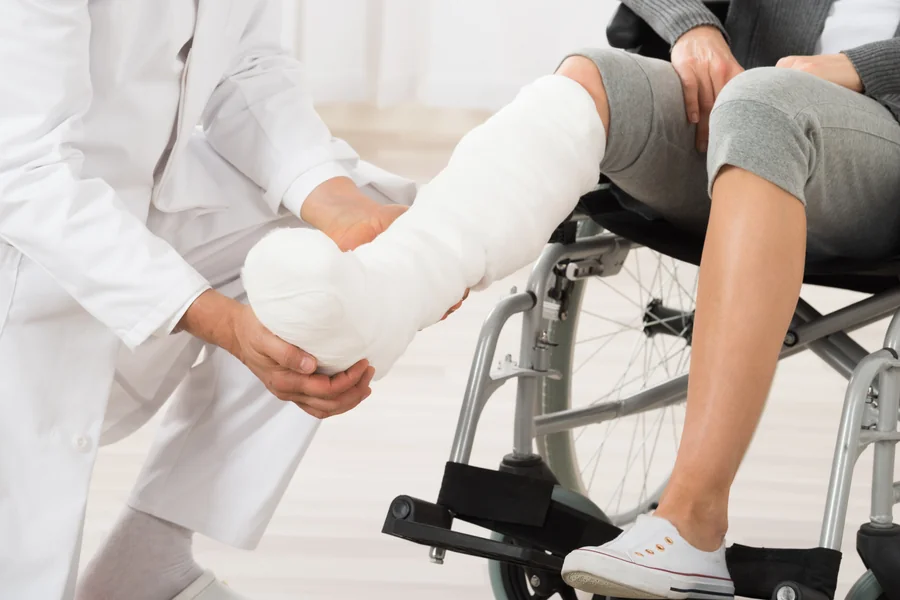
Bone fracture is one of the most common musculoskeletal disorders in individuals of all ages. From a crack to several breaks, a fracture can easily disrupt daily life and mobility. Whether due to a sudden accident or an underlying medical condition, it is important to understand the causes of bone fractures and how to prevent them in order to maintain a healthy and active life. This article discusses the common causes, preventive factors, and highlights major treatments such as metatarsal bone fracture treatment, along with expert orthopedic treatment.
What Is a Bone Fracture?
A bone fracture occurs when there is a break or crack in the continuity of the bone. Fractures can be of different intensities from hairline cracks to compound fractures in which the bone penetrates through the skin. Bone fractures are usually classified into different categories such as transverse, oblique, spiral, comminuted, and stress fractures. Each requires specific management and rehabilitation.
Healing of a fractured bone depends on several factors like location, severity, patient age, diet, and speed of treatment. With proper treatment, including new techniques like metatarsal bone fracture treatment, healing can be done with minimal long-term impact.
Common Causes of Bone Fractures
There are various reasons why bone fractures occur. These are helpful to know what individuals can do on their own to keep their skeletal system in good shape. Knowing these causes is also important for successful Broken Bones Recovery and Treatment, as early knowledge tends to result in better results and fewer complications.
1. Injury or Trauma
Sudden trauma caused by car accidents, jumping, or falling while playing are the usual causes of fractures. Excessive stress or force tends to break bones, particularly at vulnerable areas like feet, legs, and arms.
2. Osteoporosis
Osteoporosis is a bone disorder that weakens bones and makes them thinner and more brittle and susceptible to fractures. It most frequently occurs in older people, especially women, and most often involves the spine, hips, and wrists.
3. Overuse and Stress
Repetitive overuse or stress can lead to stress fractures, often in people with active lifestyles and sportspeople. These micro-fractures will tend to occur in the lower leg and may need special care such as metatarsal bone fracture treatment for full recovery.
4. Disease
There are some diseases such as cancer, arthritis, and endocrine disorders that weaken bones and render them prone to fractures. Occasionally, fractures even happen because of low pressure or loading.
5. Diet and Lifestyle
Lack of vitamin D and calcium intake, smoking, and physical inactivity might weaken bones over time and make an individual prone to fractures.
Prevention Methods
Preventing bone fractures involves maintaining bones in overall good condition and preventing probable risks. A few of the primary methods for preventing fractures include:
Exercise Regularly
Engage in Weight-Bearing Activities
Perform exercises such as walking, strength training, or yoga to enhance bone density and balance to decrease the risk of falling.
Eat a Balanced Diet
Assure proper calcium and vitamin D intake either from foods or supplements. This is important for healthy, strong bones.
Wear Protective Gear
For individuals who participate in high-impact sports or dangerous activities, helmets, knee pads, and proper shoes can go a long way in preventing injury.
Alter Home Environment
Install handrails, take out loose rugs, and provide adequate lighting to avoid slips and falls—particularly crucial for older adults.
Regular Health Screenings
Get regular bone density tests and health checks, particularly if you have a history of osteoporosis or previous fractures.
Targeted treatments
When a fracture, treatment becomes necessary to aid the body heal best when it occurs. Treatment for metatarsal bone fractures in foot injury is a targeted approach that entails immobilization, casting, and, in other instances, surgery, depending on severity. Correct treatment and timely diagnosis prevent complications in the future and accelerate a return to mobility.
For injuries of the lower leg, treatment of fibula bone fracture involves rest, stabilization, and in certain cases, orthopedic surgery. Rehabilitation exercises are also important for regaining function and strength.
In general, effective Broken Bones Recovery and Treatment would entail an individualized recovery plan, pain management, physiotherapy, and regular follow-ups to monitor the healing progress.
The Role of Expert Care
Handling a fracture’s management successfully is sometimes best accomplished with the assistance of an experienced specialist. Having the best orthopedic surgeon in Dubai ensures that you will receive proper diagnosis, high-quality imaging, and minimally invasive treatment if and when required. A specialist can prevent complications such as malunion (insufficient bone healing) or persistent pain.
Final Thoughts
Whatever be the reason whether it is because of trauma, sports injury, or disease, fractures can have serious consequences if not treated appropriately. Preventive measures like exercise, diet, and lifestyle changes help a lot in reducing risk. When fractures do occur, early and adequate treatment—most importantly specific treatments like metatarsal bone fracture care—is the key to total and successful healing.
For UAE patients who are seeking high-quality care and personalized treatment, Alshifaalkhaleeji offers advanced orthopedic care to meet your rehabilitation needs. Through diagnosis to recovery, trust us to guide you through every process with precision and compassion.
